
Security officers on site, working to written instructions
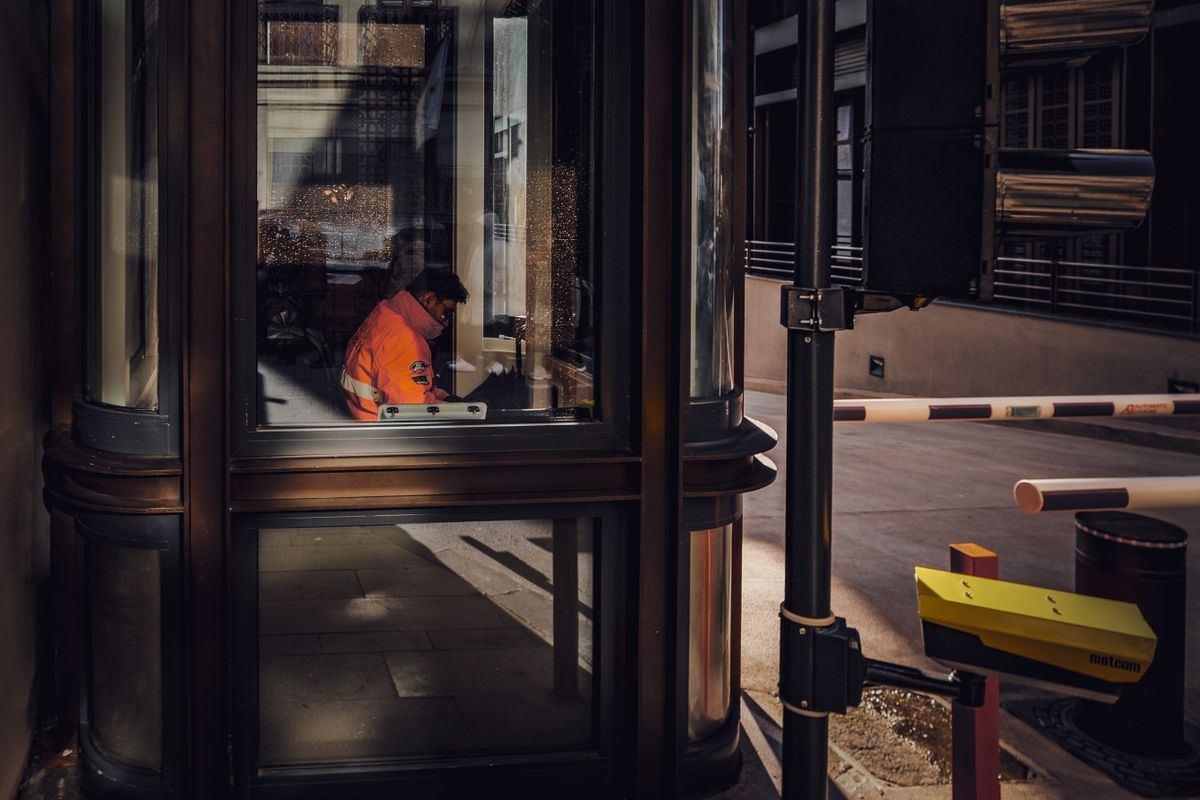
An officer gives your site someone present who can watch, check, challenge and report, doing duties that were agreed with you in writing before the first shift.
What the role can cover
- Controlling entry to a site or building
- Signing in visitors, contractors and deliveries
- Patrolling inside and outside at set intervals
- Checking doors, windows, gates and fences
- Locking and unlocking
- Recording and reporting incidents
- Following your emergency and evacuation procedures
How a guarding job is set up
We survey the site, then write an assessment of what could go wrong and how an officer would reduce it. From that we write the assignment instructions: duties, routes, contacts, what to do if something goes wrong, and who to call. You read and agree them. The officer is briefed on them before the first shift, and the instructions stay on site.
What you receive
Assignment instructions
The written duties for the post. We also call them site instructions.
A shift report
A record of what happened on each shift, sent to you after it.
Incident reports
What happened, when, who was told and what was done.
A named contact
One person to speak to about your site.
A review
A date, agreed at the start, to ask whether the cover is still right.
Who we put on your post
Guarding under contract is licensable. The Security Industry Authority (SIA) licenses individuals, not companies, so we put only people with the right SIA licence on a guarding post, and we check it on the SIA's public register before they start. We also check identity, right to work and work history. You can ask for the licence details of anyone on your site.
What an officer can and cannot do
A security officer is not a police officer and has no police powers. The job is to deter, observe, record and report, and to call the emergency services when they are needed. If a supplier tells you otherwise, ask for the legal basis.
What we ask of you
- Access to the areas the officer will cover, and the keys or codes to do it, given to us directly
- The name of someone who can make decisions about the site
- A call when something about the site changes
Common questions
How many officers do I need?
That comes from the survey. It depends on the size of the site, the number of entry points, the hours and the risk. The proposal sets out the reasoning, so you can challenge it.
What happens if an officer cannot attend a shift?
Ask us this before you sign. The proposal will say how a missed shift is handled and how you are told.
Related
- Mobile patrols
Visits to your site at agreed times, with each one recorded.
- Key holding and alarm response
Your keys held securely, and someone to attend when the alarm sounds.
- How we work
Talk to us about your site
Call us, or send the site address and a few details. Asking for a quote does not commit you to anything.